by Zoe Sills
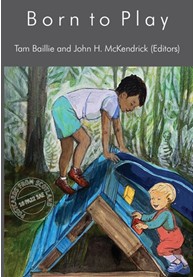
Born to Play, published earlier this year, was the final book in the Postcards from Scotland series, and follow on to its sister book Play is the Way from 2020. I was ridiculously excited for the launch of the accompanying book club, the first of which was held on the evening of June 3rd 2025. It was passionately and knowledgeably led, as always, by one of the editors – the former Scottish Commissioner for Children and Young People, Tam Baillie.
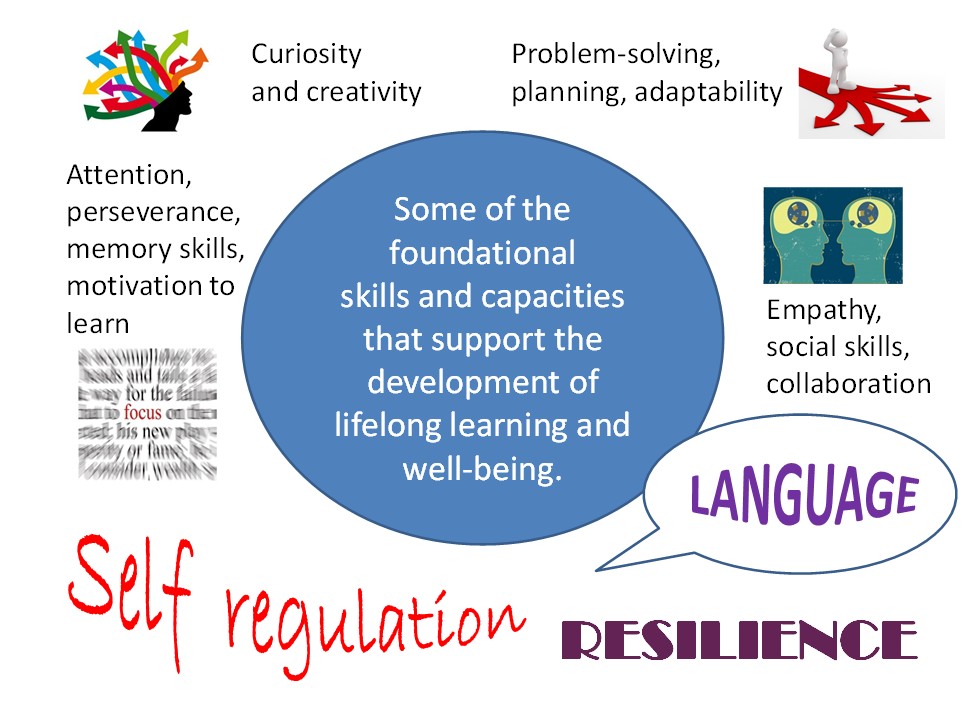
It was a joy to hear from the Froebelian expert Dr Lynn McNair about the importance of play in her own childhood and her journey to becoming passionate about the importance of play for every child. Upstart’s founder Sue Palmer then shared a summary of her own chapter – how, as teachers, we (too often) actually don’t know a whole lot about child development. If we are open enough to first of all realise its importance, and then to go on our own journey to learn and discover, we find that the basics that all children need are very simple – love and play.
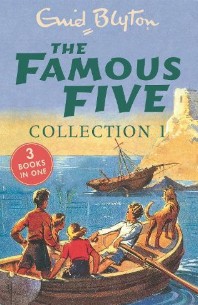 We also reflected on the impact Enid Blyton’s stories had on our play, and how wonderful it was to completely lose yourself in her writing and those stories. How freeing it could be to be transported into the magical worlds she created, as you played along, becoming the characters and joining their adventures, or creating your own. Were you Team Famous Five? Or Team Secret Seven? Personally I was predominantly Famous Five, but with the magic of Mr Pinkwhistle, not to mention the Enchanted Wood with the Faraway Tree and the Wishing Chair, then a bit later St Clare’s.
Sue reminded us of Lady Allen of Hurtwood’s wonderful quote about play – ‘Better a broken bone than a broken spirit’ – which in turn reminded me of a recent conversation in an online forum where a GP commented that she now rarely sees or hears of children with broken bones, but instead it is mental health issues that dominate even young children’s lives.
We ended the evening with the question – how can we tip the balance so that more people in Scotland truly understand the importance of play? It can sometimes feel as if we’re talking in an echo chamber, with others who also get it. How do we spread the message wider?
The positive news is that the numbers of people who do get this – who are passionate and who are spreading the word – IS growing. Froebelian practice is more widely talked about and included in early years and childhood practice training. Play is firmly on the agenda, thanks in no small part to the work of Play Scotland, among others in our immediate part of the world. We all agreed we need to shout louder, in our actions, in our words, in our worlds, and keep taking the small steps forward that will gradually, eventually, tip that balance.
So I’m here, shouting, in this small corner, that PLAY IS THE WAY and that we were all BORN TO PLAY.
Without love and play, children cannot develop all of these expectations…